
Choosing the right shed foundation is one of the most important steps in making sure your storage shed stays strong, level, and long-lasting. And here in Central Texas—where our soil can shift, expand, crack, or dry out depending on the season—your foundation choice matters even more.
Whether you’re putting in a tool shed, garden shed, office shed, or workshop from Affordable Portable Structures, the right foundation sets your building up for decades of stability. But with so many soil types and weather conditions across Austin and the surrounding areas, how do you know which foundation is best?
Let’s make sense of the options, the soil, and the decisions that help your shed stay secure.
Understanding Central Texas Soil (It’s Not All the Same!)
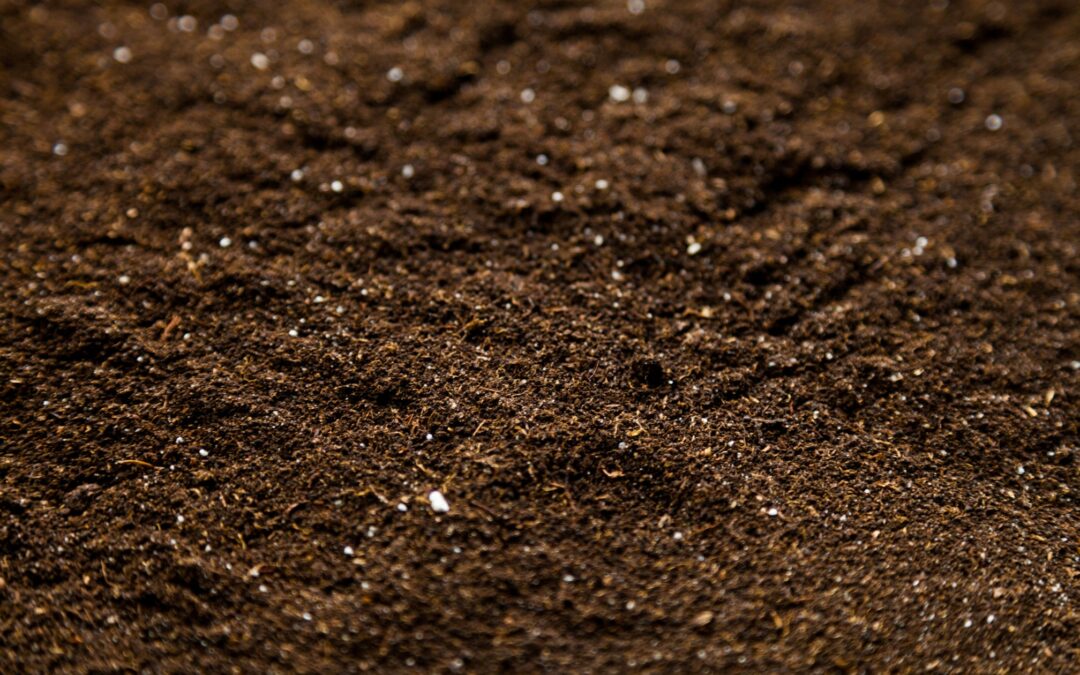
A surprising thing about Central Texas: the soil can change dramatically from neighborhood to neighborhood.
In areas like Pflugerville, Round Rock, and Georgetown, you get dense clay that expands when wet and cracks when dry. In places like Dripping Springs, Liberty Hill, and Leander, you deal with rocky limestone ground. East of Austin toward Bastrop, the soil softens and becomes sandier.
Because your foundation has to work with the ground—and not against it—it’s important to know what’s beneath your feet.
Common Central Texas soil challenges include:
• Expansion and contraction (especially in clay-heavy areas)
• Uneven settling after heavy rain
• Shifting during droughts
• Erosion from wind or runoff
• Rocks and limestone pockets that make leveling tricky
A strong foundation keeps your shed stable despite these natural shifts.
Option 1: Gravel Pad — The Most Versatile Foundation for Texas Soil
If there’s a “best overall” foundation for most Central Texas homeowners, it’s a gravel pad. Gravel pads handle drainage well, support the weight of the shed, and adapt to soil changes better than concrete.
Benefits of gravel pads include:
• Excellent drainage — prevents moisture buildup under the shed
• Flexible support — ideal for soil that shifts seasonally
• Easier leveling on uneven terrain
• Cost-effective compared to concrete
• Helps deter pests by reducing standing moisture
Gravel pads are especially great for clay-heavy areas like Hutto, Kyle, or Manor where soil expands when saturated. The gravel helps disperse water so the ground doesn’t push upward on your shed.
Homeowners choosing APS sheds often opt for gravel because it pairs perfectly with our portable building skids and helps the structure “breathe” naturally.
Option 2: Concrete Slab — Best for Heavy Use or Permanent Sheds
If you’re planning on turning your shed into an office, gym, workshop, or hobby space where you want a finished floor, a concrete slab foundation may be the way to go.
Concrete is ideal for:
• Very heavy equipment
• High foot traffic
• Climate-controlled sheds
• Finished interior spaces
• Long-term permanent installation
But it’s important to consider soil movement. In Austin and surrounding cities, clay can make slabs crack or shift without proper preparation.
That’s why it’s crucial to:
• Use a reinforced slab
• Include rebar or wire mesh
• Make sure the sub-base is compacted correctly
• Hire a professional concrete installer
A slab is a bigger upfront investment, but for sheds that act more like extensions of the home, it provides the most solid, long-term base.
Option 3: Concrete Blocks or Piers — Great for Uneven or Rocky Terrain
If your property sits on rocky limestone or uneven sloped ground, concrete blocks or piers may work better than a full slab or gravel pad.
Concrete blocks are useful when:
• You’re on hilly or sloped terrain
• There are large limestone patches
• You want minimal soil disruption
• You prefer a more affordable installation
They raise the shed off the ground, improving airflow and preventing moisture buildup. This makes them a popular choice in areas like Cedar Park, Leander, or Dripping Springs where rocky ground is common.
However, because blocks support the shed at key points instead of across the entire base, professional leveling is a must. Affordable Portable Structures can help ensure proper spacing, alignment, and stability so the shed remains secure.
Option 4: Skid Foundation — Ideal for Quick Installation and Mobility
Most APS sheds come standard with a skid foundation built into the floor system. This means the shed already has its own base and can sit directly on a properly prepared site.
A skid foundation works best when:
• You want fast installation
• You may relocate the shed later
• You’re installing on a gravel pad
• You want airflow underneath the shed
Skids pair beautifully with gravel or block foundations, making them one of the most flexible options for the Austin area. They keep the shed slightly elevated, improve longevity, and help prevent pest intrusion.
Drainage: The Secret Ingredient Every Shed Foundation Needs
No matter which foundation you choose, drainage is everything in Central Texas.
Between spring thunderstorms, heavy fall rains, and the occasional tropical moisture, water can settle around your shed if the ground isn’t prepared properly.
To ensure good drainage:
• Slope the ground slightly away from the shed
• Use gravel or rock to direct water
• Avoid placing sheds at the lowest point of your yard
• Keep landscaping at least a few inches away from the walls
• Consider French drains in high-runoff areas
A shed built on poor drainage can shift, warp, or develop moisture problems over time. Good drainage = long shed life.
Which Foundation Is Best for You?
Here’s a simple way to decide:
• Clay soil? → Go with a gravel pad.
• Rocky or sloped terrain? → Concrete blocks or piers.
• Upgrading to an office or workshop? → Concrete slab.
• Quick installation or portability? → Skid foundation + gravel pad.
Affordable Portable Structures can also help evaluate your site and guide you toward the foundation that fits your shed size, soil type, and backyard plans.
A Strong Foundation Means a Strong, Long-Lasting Shed
The right shed foundation does more than support your structure—it protects your investment. In Central Texas, where the soil shifts and the weather changes fast, choosing the correct base gives your shed stability, better drainage, and years of dependable performance.
Whether you’re placing a garden shed in Austin, a tool shed in Round Rock, or an office shed on acreage near Dripping Springs, a well-chosen foundation keeps your building level, secure, and ready for anything Texas throws at it.
Recent Comments